The Birth of the Spa
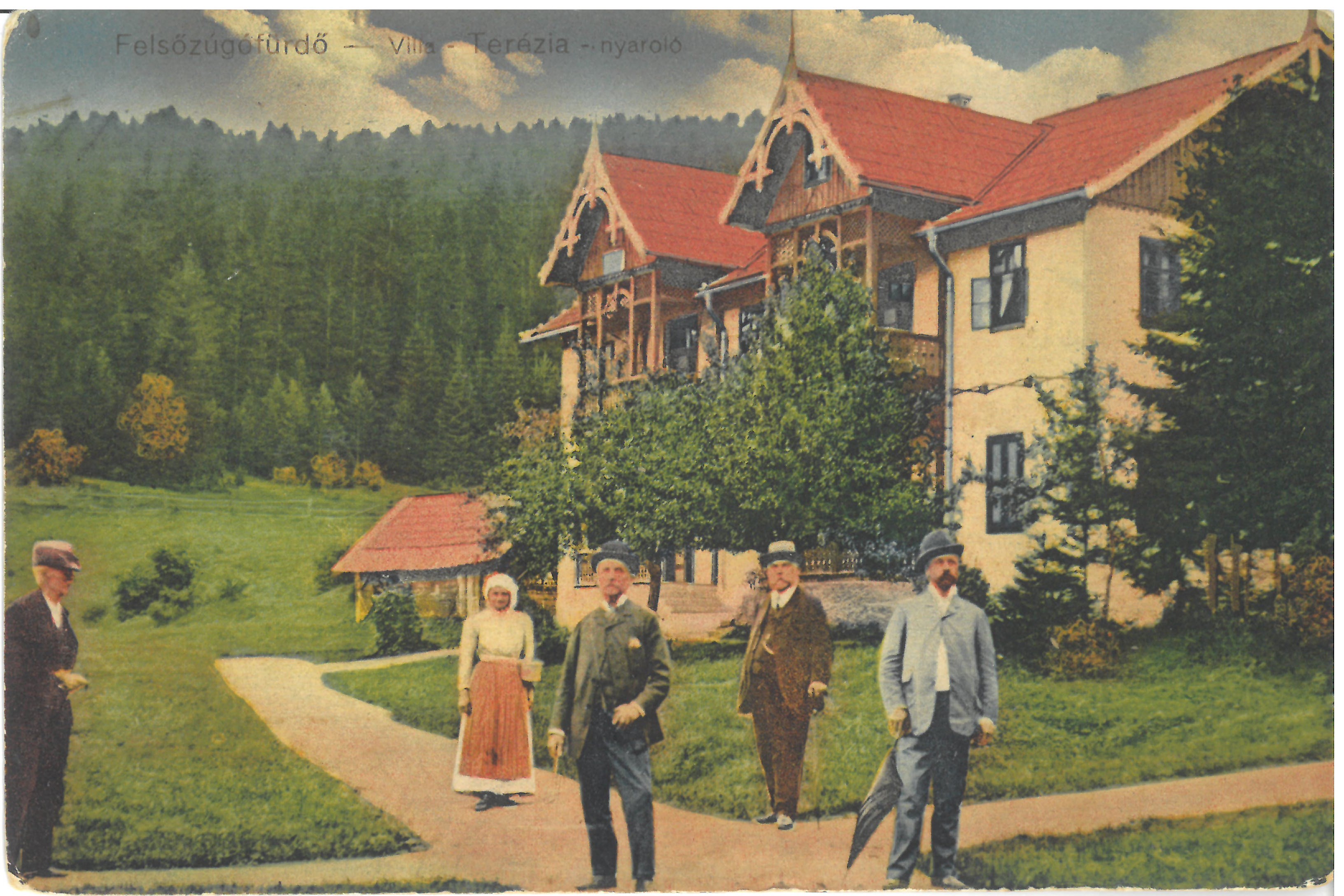
In 1595, the first spa building was constructed, featuring a pool, kitchen, dining hall, and social room. Sebastian's son, Stanislav Lubomirski, transformed the space into a social hub for the nobility, and the baths became a favored destination of both Polish and Hungarian aristocracy. However, as in many fairytale stories, a decline followed. After the extinction of the direct Lubomirski line in 1744, the spa faced instability, frequent changes in ownership, and a slowdown in its development.
A New Chapter Under Baron von Jony
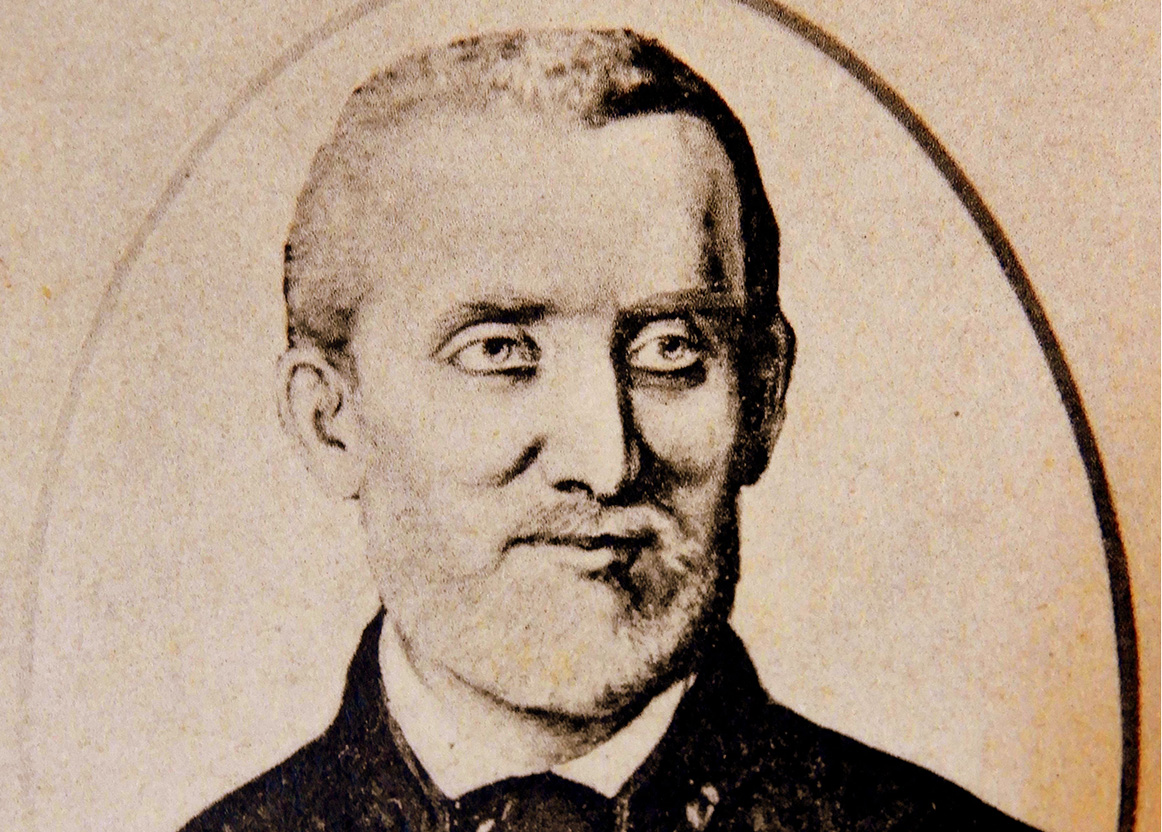
When Baron Emerich von Jony acquired the spa in 1825, he initiated a period of significant renewal. He built the manor house, a new spa building, and the so-called " Mirror Bath" - a place where not only the sound of water resonates, but also the nobility of bygone eras. After his death, the spa was managed by his son Daniel ( or Teodor, according to some sources ) until 1865, when the property passed into the hands of other institutions.
The Zamoyski Era : Royal Nobility and Modernization
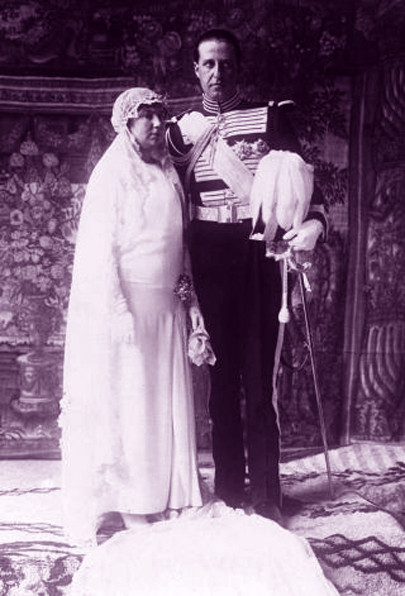
A true transformation came after the spa was acquired in 1882 by the Polish count Andrzej Zamoyski. This decisive patron commissioned the construction of the villas Maria, Tereza, and Karolina. Under his leadership, a summer thermal swimming pool was established, which at the time was considered one of the largest in Slovakia. One of the most significant moments in the spa's history was the royal wedding. of 1923, when Countess Karolina Zamoyska married Prince Reinier of Bourbon. The ceremony was attended by King Alfonso XIII of Spain himself. In 1929, Princess Izabela de Bourbon, the wife of Jan Kanta Zámoyski, arrived at the spa. Thanks to her, key projects were realized, including the White House, the expansion of the swimming facilities, and the opening of the Strand Bath.